
Kitchen Remodeling in San Diego
Licensed general contractor specializing in complete kitchen renovations throughout San Diego County. From layout redesign and custom cabinetry to appliance integration and finish coordination, we manage every aspect of your kitchen remodel with the technical expertise and design sensibility that defines quality work.
 NKBA Member
Request Your Kitchen Design Consultation
Tell us about your project and our team will reach out within one business day.
NKBA Member — National Kitchen & Bath Association certified, held to the highest standards in kitchen design and remodeling.
Kitchen Remodel Portfolio
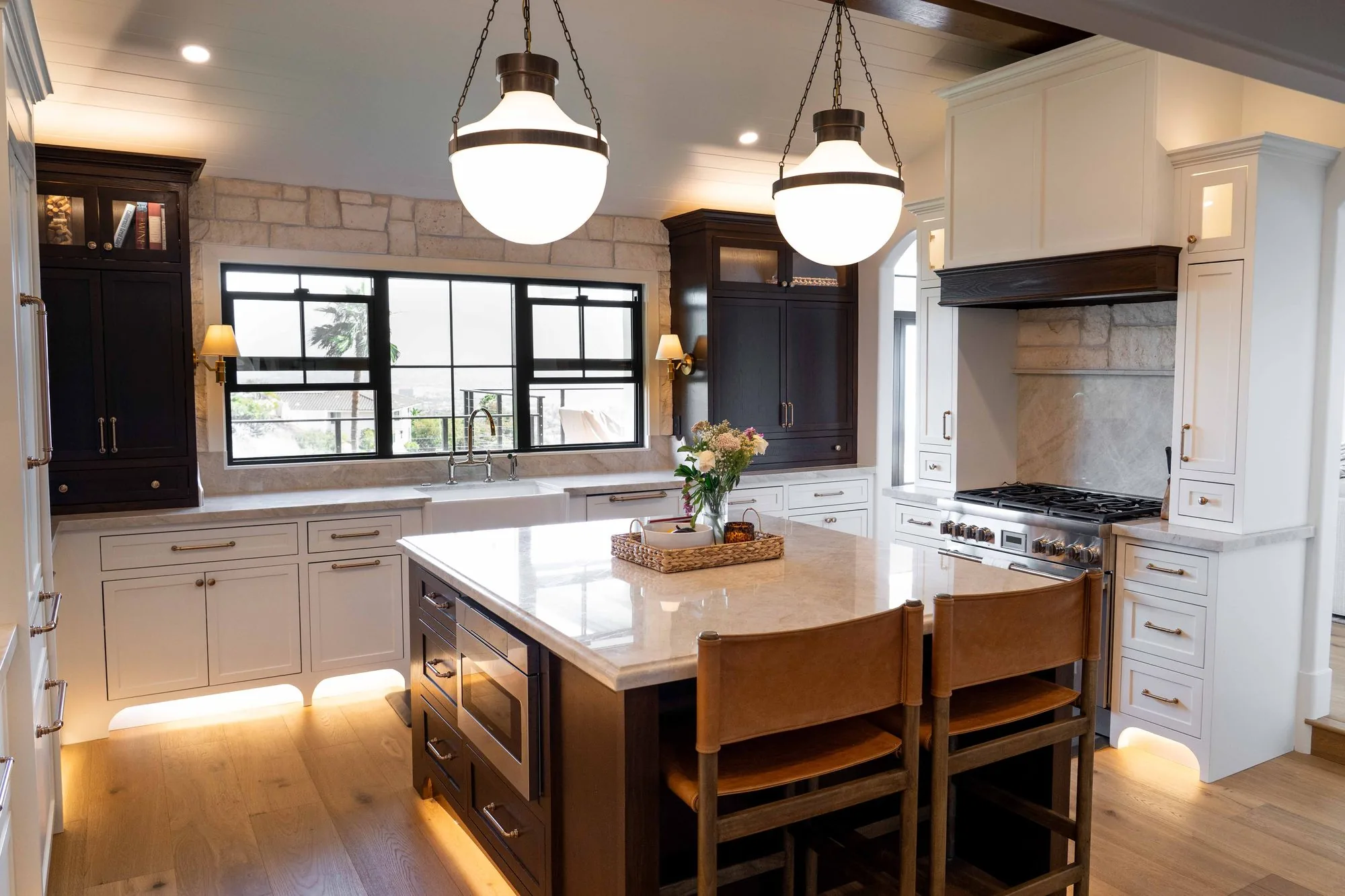
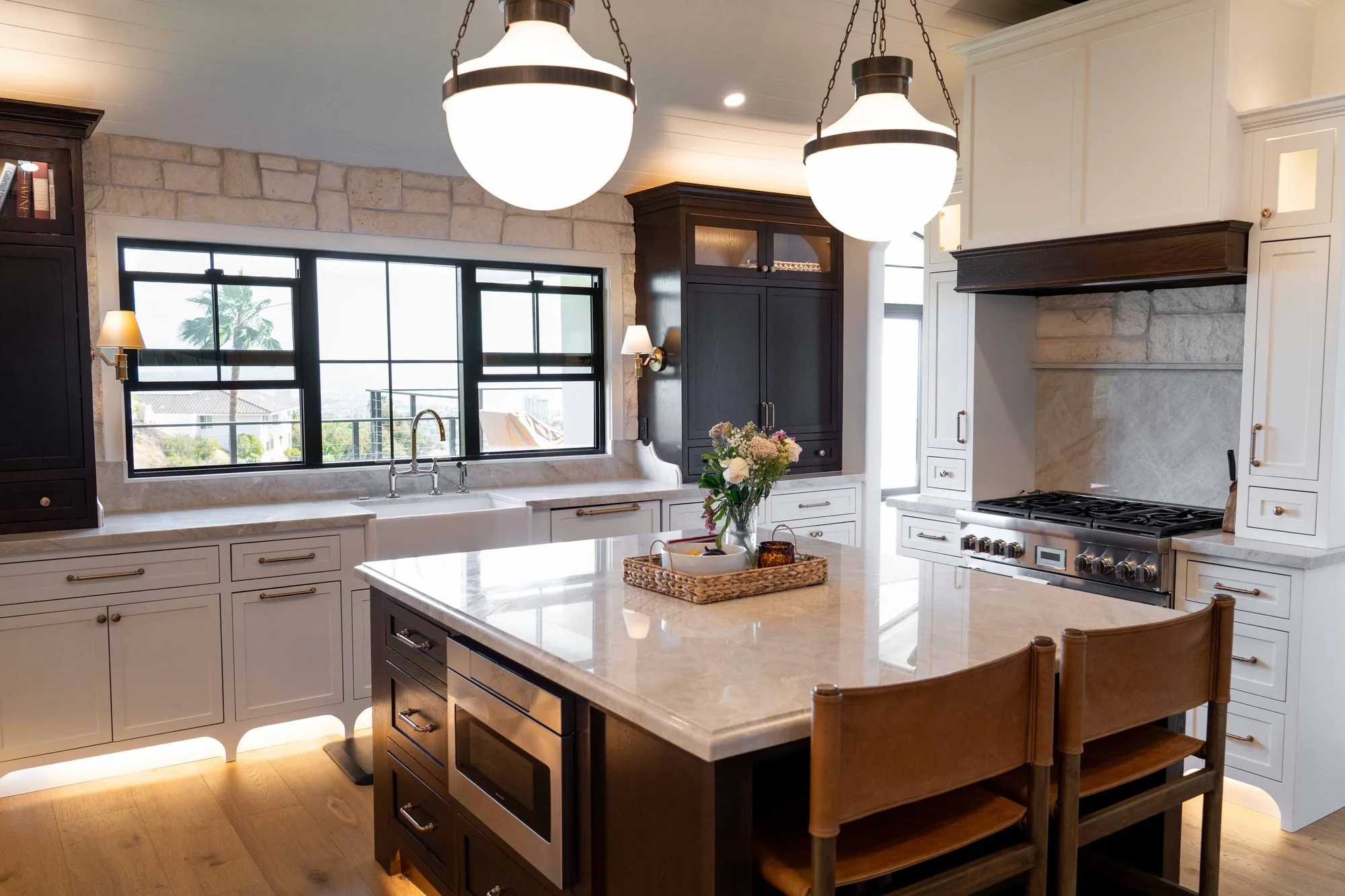
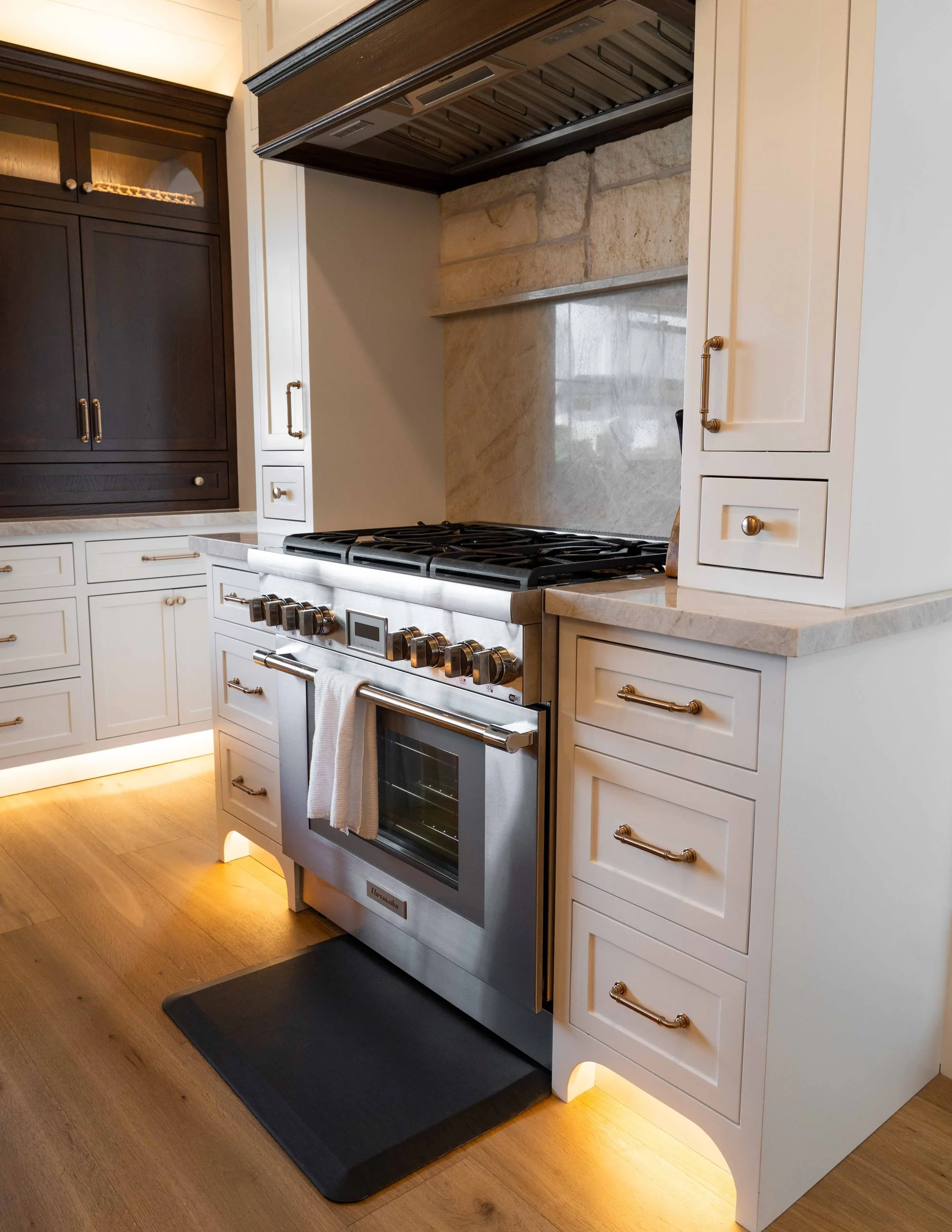
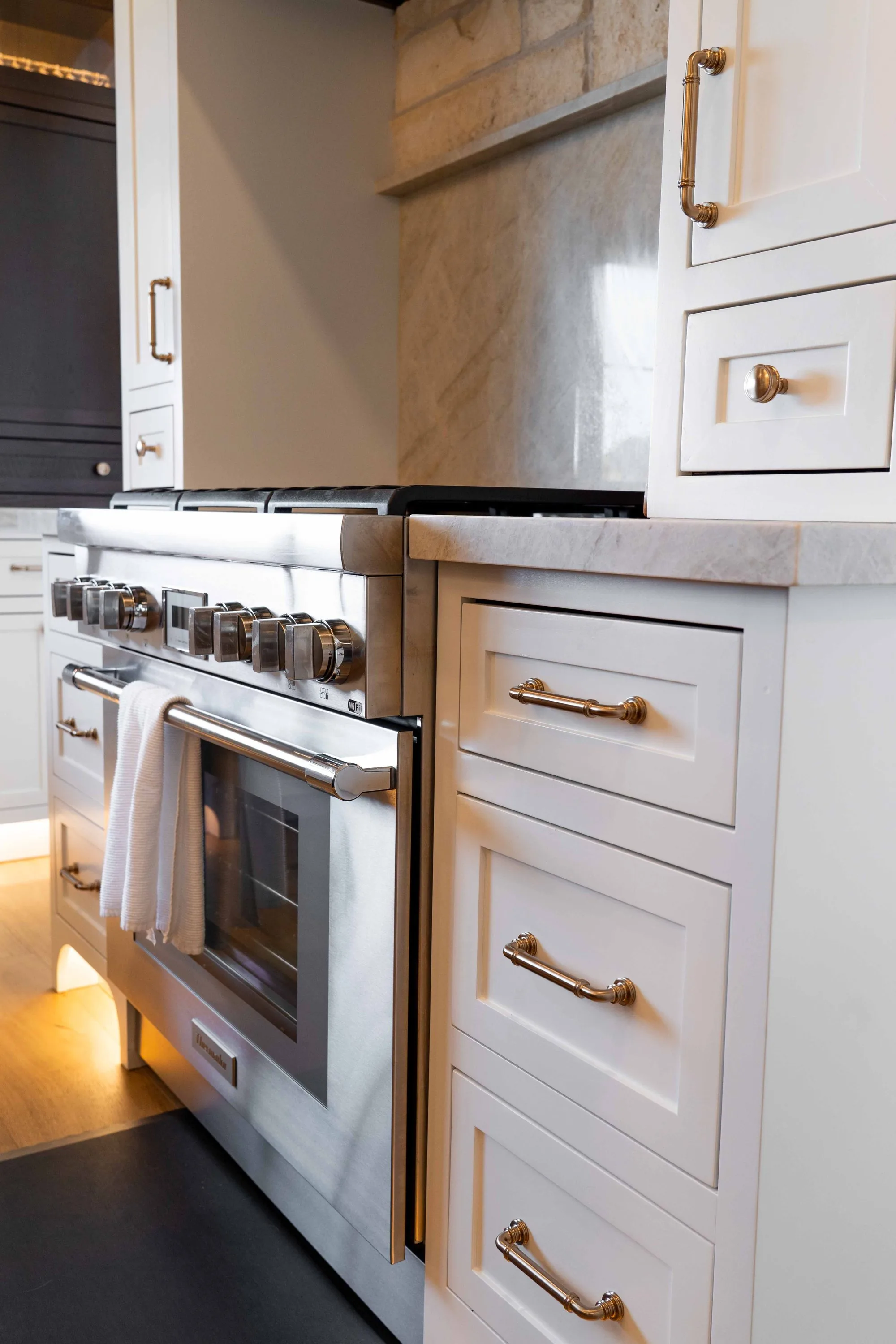
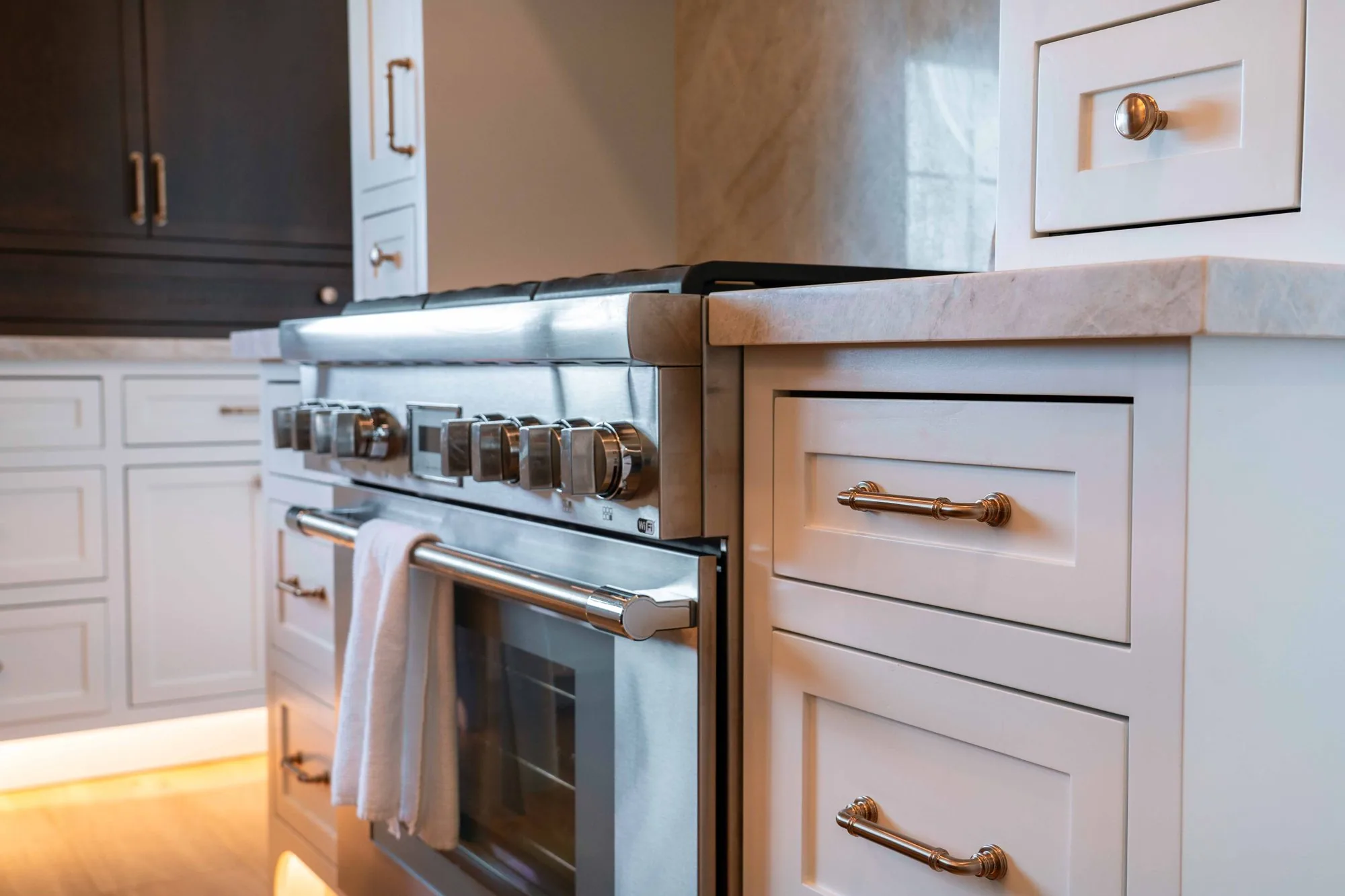


Kitchen remodeling is the most complex residential project most homeowners undertake. It requires coordination between multiple trades, careful sequencing of work, and technical knowledge spanning structural, electrical, plumbing, mechanical, and finish systems. As a California-licensed general contractor with years of experience serving San Diego County, we manage this complexity daily, delivering functional, beautiful kitchens that improve how our clients live.
Whether you're opening walls to create better flow in a Craftsman home in Mission Hills, maximizing storage in a galley kitchen in Point Loma, or building a chef's kitchen with commercial appliances in Rancho Santa Fe, our approach combines practical problem-solving with attention to design detail. We complete kitchen remodels across San Diego County, including La Jolla, Del Mar, and Encinitas. We handle structural calculations, permit processing, material procurement, and trade coordination so you don't have to.
Planning Your Kitchen Remodel
Successful kitchen remodels start with planning. Before selecting finishes or ordering cabinets, we work through layout, structural requirements, mechanical systems, and workflow to establish a solid foundation for design decisions.
Kitchen Layout and Work Triangle
Kitchen layout fundamentally impacts how the space functions. The classic work triangle (sink, stove, refrigerator) remains relevant, though modern kitchens often incorporate work zones that accommodate multiple cooks and varied activities. Common layout types include:
- Galley:
Two parallel counters create an efficient workspace. Ideal for narrow spaces. Works well for single cooks. Can feel closed-in without proper lighting and sight lines.
- L-Shaped:
Counters along two adjacent walls open the space and allow for dining areas or islands. Versatile layout that works in many room configurations.
- U-Shaped:
Three walls of counters and storage maximize work surface and storage. Efficient for serious cooks. Requires adequate room dimensions to avoid feeling cramped.
- Island Kitchen:
Adding an island creates additional work surface, storage, and seating. Can incorporate cooktop or sink. Requires minimum clearances (42-48 inches) around island perimeter.
- Open Concept:
Removing walls between kitchen and living spaces creates visual connection and better flow. Requires careful structural engineering, relocated mechanical systems, and thoughtful design to maintain defined zones.
Structural Considerations
Many kitchen remodels involve structural work. Opening walls to create sight lines or better flow typically requires installing engineered beams to carry the load previously supported by the removed wall. We coordinate with structural engineers to calculate loads, specify beam sizes, and design temporary shoring during construction. This work requires permits and inspection.
Removing or relocating load-bearing walls also impacts mechanical systems. Ductwork, plumbing, and electrical often run through walls. We coordinate these relocations with the structural work to minimize cost and construction time.
Mechanical Systems: Electrical, Plumbing, HVAC
Kitchen remodels typically require significant electrical and plumbing work:
- Electrical: Modern kitchens require dedicated 20-amp circuits for small appliances, GFCI outlets every 4 feet along counters, dedicated circuits for dishwasher, disposal, and microwave, 240V circuits for electric ranges and ovens, proper lighting circuits, and often a sub-panel to handle increased loads.
- Plumbing: Relocating sinks requires moving drain and supply lines. Island sinks present drainage challenges due to lack of nearby walls. Adding pot fillers, instant hot water dispensers, or multiple sinks increases complexity.
- Ventilation: California code requires kitchen ventilation. Range hoods must be ducted to exterior (no recirculating hoods in new work). Commercial-style ranges (over 400 CFM) require make-up air systems.
- Gas Lines: Gas ranges and cooktops require properly sized gas lines. Converting from electric to gas often requires upgrading the main gas service.
Custom Kitchen Cabinetry
Cabinets define a kitchen's visual character and determine its functionality. We fabricate custom cabinets in-house, which allows complete control over dimensions, materials, finishes, and hardware. This approach eliminates the lead times and size limitations associated with stock or semi-custom cabinets.
Cabinet Construction
Quality cabinets start with solid construction. We build cabinet boxes from 3/4-inch plywood, not particleboard. Plywood resists moisture, supports weight better, and holds fasteners more securely. Drawer boxes are dovetailed or doweled solid wood construction with under-mounted soft-close glides rated for 100 pounds. Doors are mortise-and-tenon joined solid wood or five-piece construction with plywood panels.
We use full-overlay, frameless construction (European-style) on most projects. This provides more interior space, cleaner lines, and easier access than traditional face-frame cabinets. All cabinets receive multiple coats of catalyzed conversion varnish or pre-catalyzed lacquer, applied in our spray booth for a durable, factory-quality finish.
Storage Solutions and Organization
Well-designed cabinets maximize usable storage:
- Pull-out shelves: Deep lower cabinets become accessible with sliding shelves that bring contents to you.
- Corner solutions: Lazy Susans, pull-out trays, or magic corner units make corner cabinet space functional.
- Drawer dividers and inserts: Organize utensils, spices, and small items. Custom-sized to fit your specific storage needs.
- Appliance garages: Hide small countertop appliances while keeping them accessible.
- Tall pantry cabinets: Floor-to-ceiling storage with pull-out shelves maximizes vertical space.
Kitchen Countertops
Countertops are the most-used surface in the kitchen. Material selection balances aesthetics, durability, maintenance requirements, and budget. San Diego's climate and water quality impact some materials more than others.
Countertop Materials Compared
Quartz (Engineered Stone)
Manufactured from 90-95% ground quartz bound with resins. Non-porous, no sealing required, highly stain-resistant. Consistent color and pattern. Wide range of designs including marble-look options. Heat-resistant but not heat-proof (use trivets). Ideal for San Diego kitchens due to low maintenance. Premium brands: Caesarstone, Cambria, Silestone.
Best for: Low-maintenance, consistent appearance, high durability
Granite
Natural stone cut from quarries. Each slab is unique. Requires periodic sealing (annually or bi-annually). Heat-resistant. Can chip on edges. Color and pattern vary significantly between slabs. Harder water in some San Diego areas can show spots if not wiped down regularly. Still popular for its natural beauty and proven durability.
Best for: Natural stone aesthetic, heat resistance, unique patterns
Marble
Softer stone that scratches and etches more easily than granite. Requires regular sealing. Develops patina over time. Preferred by serious bakers for cool work surface. Best limited to island or baking zone rather than main work surfaces in active kitchens. Stunning appearance comes with maintenance commitment.
Best for: Baking areas, aesthetic priority, accepting natural aging
Quartzite
Natural stone harder than granite. Often looks like marble but more durable. Requires sealing like granite. Premium pricing. Beautiful option for those wanting marble aesthetics with better durability.
Best for: Marble look with granite-like durability
Solid Surface (Corian, etc.)
Acrylic-based manufactured material. Can be shaped and seamed invisibly. Repairable if scratched. Less heat-resistant than stone. Mid-range pricing. Good option for integrated sinks. Less popular now due to widespread availability of quartz at comparable price points.
Best for: Seamless installations, integrated sinks, repairability
Butcher Block
Wood countertops (typically maple or walnut) add warmth. Require regular oiling. Can be sanded to remove scratches. Not ideal around sinks due to water exposure. Works well for islands or small prep areas. Provides excellent cutting surface.
Best for: Islands, warm aesthetic, prep areas, natural material
Kitchen Backsplash
Backsplash protects walls from water and cooking splatter while providing an opportunity for visual interest. The backsplash area typically extends from countertop to upper cabinets (18-24 inches) and behind the range (often to the hood). Common materials include ceramic tile, porcelain tile, glass tile, natural stone, and slab material that matches the countertop.
Tile layout patterns significantly impact the final appearance. Subway tile can run horizontal, vertical, herringbone, or vertical stack. Larger format tiles (12x24 or 24x24) create modern, clean looks with fewer grout lines. Smaller mosaics add texture and detail. We template backsplash carefully to ensure outlet and switch placement aligns with tile layout.
Kitchen Appliances
Appliance selection impacts both budget and function. We coordinate appliance specifications early in design to ensure proper electrical, gas, ventilation, and dimensional requirements are incorporated into the plan. Built-in and panel-ready appliances require precise cabinet dimensioning.
Appliance Considerations
- Cooking Surfaces:
Gas provides immediate heat control. Electric (coil or smooth-top) costs less to install. Induction is energy-efficient and safe but requires compatible cookware. Ranges integrate cooking and oven. Separate cooktop and wall ovens offer flexibility.
- Refrigeration:
Standard depth refrigerators protrude beyond standard 24-inch cabinets. Counter-depth units align with cabinets for streamlined appearance. Built-in refrigerators (Sub-Zero, Thermador) are fully integrated but significantly more expensive. Panel-ready models accept custom cabinet panels.
- Dishwashers:
Quiet operation (under 45 dBA) is worth the premium in open-plan kitchens. Panel-ready models accept custom panels to match cabinetry. Some homes benefit from two dishwasher drawers instead of one full-size unit.
- Ventilation:
Range hoods remove heat, moisture, and cooking odors. Ducted hoods (required by code) must exhaust to exterior. Size hood to cooking surface (30-inch range needs 30-inch or larger hood). Higher BTU cooking requires higher CFM (cubic feet per minute) ventilation.
Kitchen Lighting Design
Proper kitchen lighting combines ambient, task, and accent lighting to create a functional, comfortable space. Too many kitchens rely solely on recessed cans, which create shadows on work surfaces. Layered lighting provides better illumination and flexibility.
Lighting Layers
- Ambient (General) Lighting: Recessed lights, flush-mount or semi-flush ceiling fixtures, or pendant lights over islands provide overall illumination. Dimmable controls allow adjustment for different activities.
- Task Lighting: Under-cabinet LED strips illuminate countertops for food prep. Pendant lights over islands and peninsulas provide focused light where needed. Located within upper cabinets to reduce glare.
- Accent Lighting: In-cabinet lighting highlights glassware or display items. Toe-kick lighting provides gentle night lighting. Decorative pendants add visual interest and personality.
Kitchen Flooring
Kitchen floors must withstand heavy traffic, spills, dropped items, and cleaning. Material selection balances durability, comfort, maintenance, and aesthetics. For detailed information on flooring options and installation, see our flooring services page.
Popular kitchen flooring includes porcelain tile (durable, water-resistant, cold underfoot), luxury vinyl plank (water-resistant, softer underfoot, lower cost), engineered hardwood (warm appearance, can handle some moisture exposure), and natural stone (durable, high-end appearance, requires sealing).
Our Kitchen Remodeling Process
Initial Consultation and Site Assessment
We meet at your home to understand your goals, assess existing conditions, discuss budget, and identify any structural or systems issues. We measure the space, photograph current conditions, and discuss your cooking habits, storage needs, and aesthetic preferences. This consultation typically takes 60-90 minutes.
Design Development and 3D Visualization
We develop a detailed design including floor plan, cabinet layout, elevation drawings, and 3D renderings that show how the finished kitchen will look. This phase includes selecting cabinet style, countertop material, backsplash, lighting, and flooring. We refine the design based on your feedback until it's exactly what you want. For complex projects, we offer full 3D rendering services.
Detailed Proposal and Material Selection
Once the design is finalized, we provide a detailed proposal outlining scope of work, materials, timeline, and cost. We accompany you to select specific slab for countertops, tile for backsplash, and finalize cabinet hardware and fixtures. This ensures you get exactly what you expect and eliminates surprises.
Permits and Engineering
We handle all permit applications and coordinate with structural engineers if required. San Diego County and individual cities have different requirements. We know these jurisdictions and expedite the approval process. This phase typically takes 2-4 weeks depending on project complexity and jurisdiction.
Demolition and Rough-In Work
Existing cabinets, countertops, and flooring are removed. Any structural work (removing walls, installing beams) happens now. Electrical, plumbing, and HVAC are roughed in to new locations. Walls are framed, insulated, and drywalled. All rough work is inspected before covering. This phase is messy but moves quickly.
Cabinet Fabrication and Finish Work
While rough work is underway, we fabricate your custom cabinets in our shop. Once site work is complete, we install cabinets, followed by countertops (templated after cabinet installation), then backsplash. Flooring is installed, appliances are set, plumbing and electrical are finished, and lighting is installed.
Final Inspection and Walkthrough
We complete final city inspection, punch-list any minor items, and walk through the project with you. We explain care and maintenance for materials, provide warranty documentation, and ensure you're completely satisfied before final payment.
Kitchen Remodeling Timeline and Budget
How Long Does a Kitchen Remodel Take?
Timeline depends on project scope. A basic cabinet and countertop replacement with no layout changes typically takes 3-4 weeks from demo to completion. A full remodel with structural work, electrical/plumbing updates, and custom cabinets typically takes 8-12 weeks. Complex projects involving significant structural work or high-end custom finishes can extend to 14-16 weeks.
Our in-house cabinet fabrication reduces timeline by 4-8 weeks compared to contractors ordering from external cabinet shops. Permit processing adds 2-4 weeks before construction starts. Countertop fabrication (after template) typically takes 2-3 weeks.
Budget Considerations
Kitchen remodel costs vary significantly based on size, scope, materials, and finishes. General budget ranges for San Diego County:
- Basic Refresh ($40,000-70,000):
New stock or semi-custom cabinets, quartz or granite countertops, standard appliances, new backsplash and flooring. No layout changes or structural work.
- Mid-Range Remodel ($70,000-120,000):
Custom cabinets, premium countertops, quality appliances, some layout modifications, upgraded lighting. Most common scope for full kitchen renovation.
- High-End Remodel ($120,000-200,000+):
Full custom cabinetry, premium stone countertops, professional-grade appliances, structural work, specialty finishes, extensive lighting, high-end fixtures and hardware.
These ranges are estimates. Actual costs depend on specific selections and site conditions. We provide detailed, transparent proposals that break down costs by category so you understand exactly where your budget goes.
Frequently Asked Questions
How long can I expect to be without a functional kitchen?
Full kitchen remodels typically leave you without cooking facilities for 6-10 weeks. The kitchen is demolished early and doesn't become functional until cabinets, countertops, sink, and appliances are installed near the end. We help clients set up temporary kitchens in adjacent rooms with microwave, toaster oven, and coffee maker. Some clients choose to eat out more during construction or use outdoor grills.
Do I need to move out during a kitchen remodel?
No. Most clients remain in their homes during kitchen remodels. We contain dust with plastic barriers, clean daily, and maintain access to other areas of the home. Demolition and drywall work are the messiest phases but typically last only a few days. The inconvenience is manageable for most families.
Should I choose custom cabinets or semi-custom cabinets?
Custom cabinets offer precise fit, unlimited design options, and superior quality. Semi-custom cabinets (from manufacturers like KraftMaid or Wellborn) come in standard sizes with some customization options. They cost less but have longer lead times (8-12 weeks) and size limitations. Because we fabricate custom cabinets in-house with faster turnaround and better quality control, most of our clients choose custom. The cost difference is smaller than you might expect.
What's the best countertop material for San Diego kitchens?
Quartz is the most popular choice for San Diego kitchens due to its durability, low maintenance, and water quality resistance. San Diego's hard water can leave spots on granite if not wiped promptly. Quartz is non-porous and doesn't require sealing. Granite remains an excellent choice if you prefer natural stone and don't mind occasional sealing. Marble is beautiful but high-maintenance and best limited to low-use areas.
Can you match existing cabinets if I'm only updating part of my kitchen?
Matching existing cabinets is challenging because wood species, stain color, and finish fade and change over time. We can get close with custom fabrication and finishing, but exact matches are difficult. Often it makes more sense to paint all existing cabinets to match new cabinets, creating a cohesive look. See our cabinet painting services for more information.
How much does it cost to remove a wall in a kitchen remodel?
Removing a load-bearing wall typically costs $3,000-8,000 depending on span, engineering requirements, and relocation of mechanical systems. This includes structural engineering, beam material and installation, temporary shoring, permits, and inspections. Non-load-bearing walls are simpler (usually $1,000-2,000) but still require patching floors, ceilings, and walls, plus relocating electrical and sometimes plumbing.
Do I need permits for a kitchen remodel in San Diego?
Most kitchen remodels require permits. Any electrical work, plumbing modifications, structural changes, or new appliance installations trigger permit requirements. Simple cabinet replacement without electrical or plumbing changes may not require permits, but it's rare to complete a kitchen remodel without touching these systems. We handle all permit applications and inspections as part of our service.
How Our Studio Approach Works
Everything that goes into your kitchen — cabinets, countertops, appliances, tile — is selected and coordinated through a single team. Start with a showroom visit.
Helpful Resources for Your Kitchen Project
- Kitchen Remodeling Cost Breakdown — pricing by tier and component
- San Diego Permit Guide — what triggers permits in kitchen remodels
- Kitchen Planning Guide — layout decisions, material selection
- Remodeling FAQ — budget, timeline, and contractor questions
- Is $30K Enough for a Kitchen Remodel?
- Request a Detailed Estimate — no obligation, itemized quote
Related Services
Areas We Serve
Ready to Start Your Kitchen Remodel?
Schedule a consultation to discuss your project. We'll assess your space, discuss your goals and budget, and outline a realistic scope and timeline. Initial consultations are complimentary and typically take 60-90 minutes.