
Bathroom Remodeling in San Diego
Licensed general contractor specializing in complete bathroom renovations throughout San Diego County. From waterproofing and tile work to custom vanities and luxury fixtures, we deliver bathrooms that combine function, durability, and design. Whether you're updating a powder room or creating a spa-like master suite, we manage every technical and aesthetic detail.
 NKBA Member
Request Your Bathroom Design Consultation
Tell us about your project and we'll get back to you within 24 hours with a detailed estimate.
Bathroom Remodel Portfolio
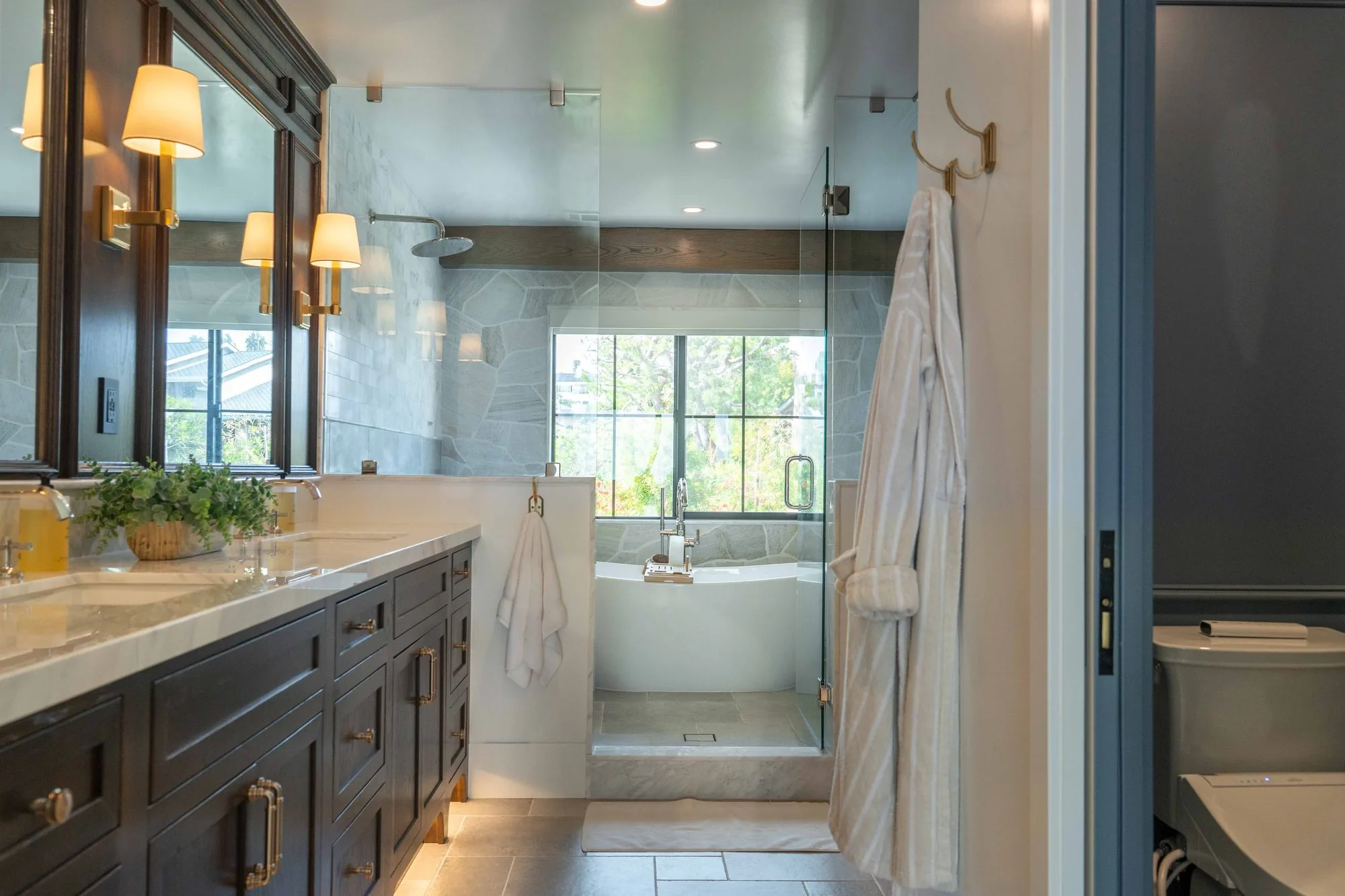
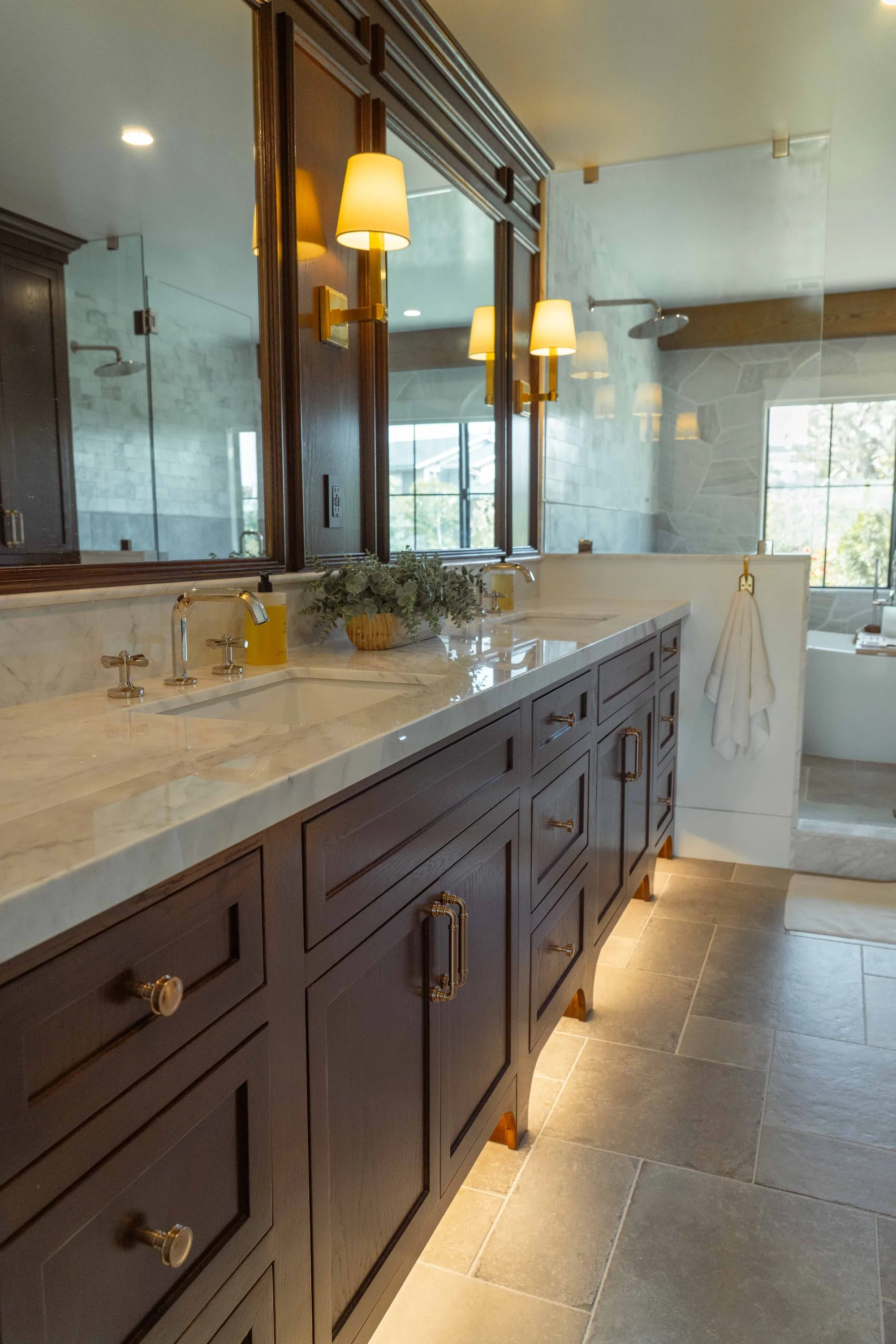
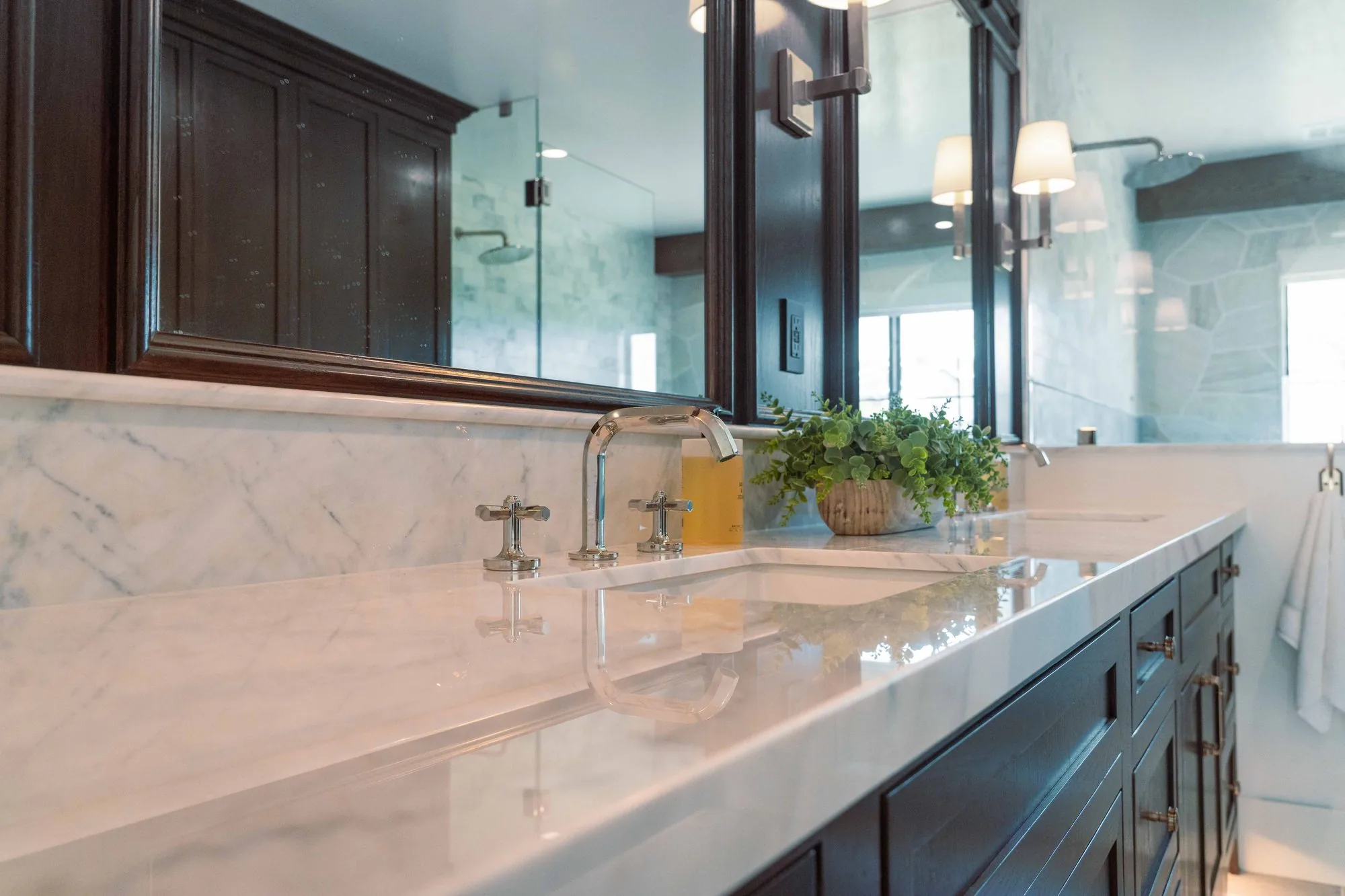
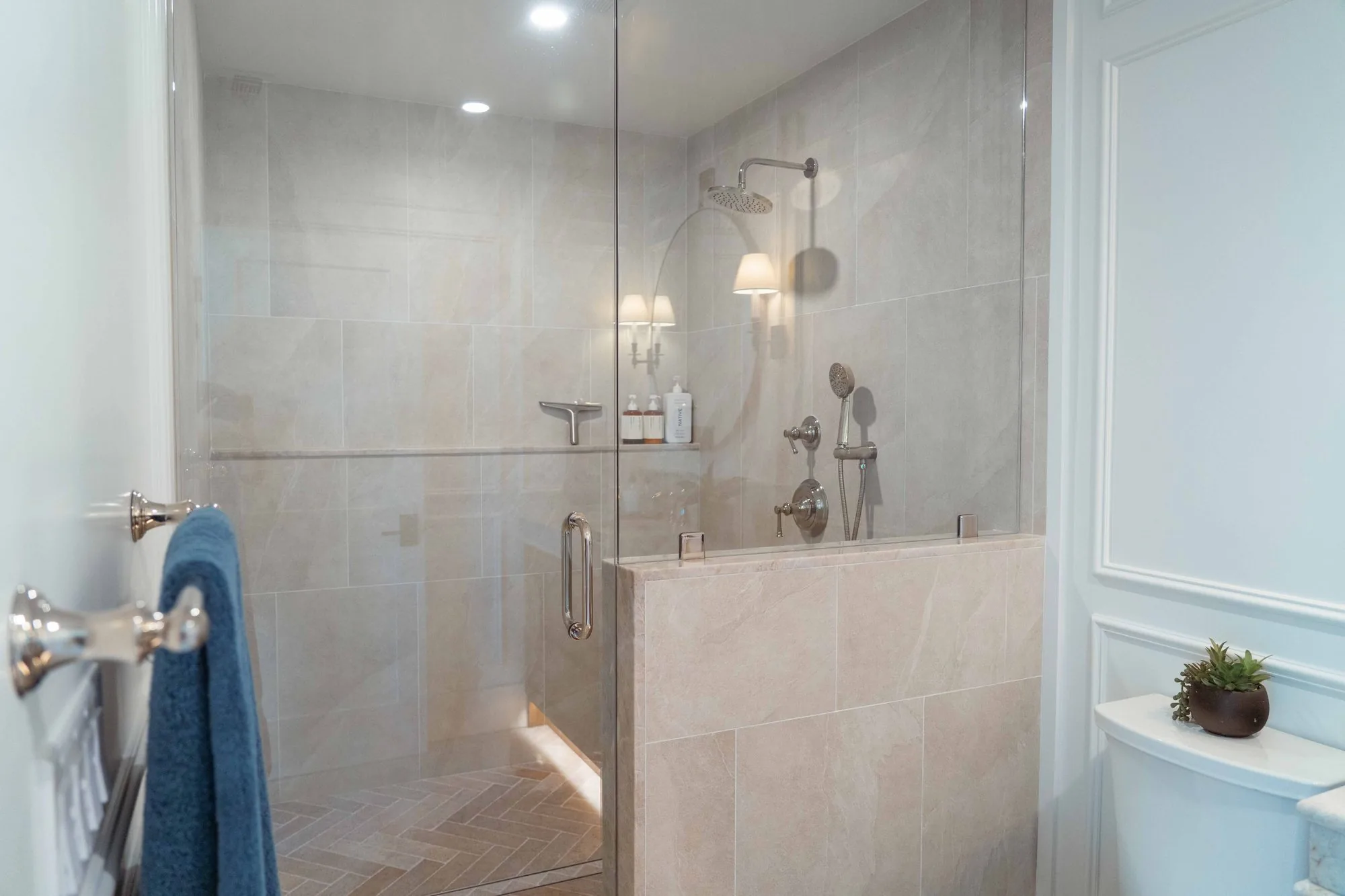
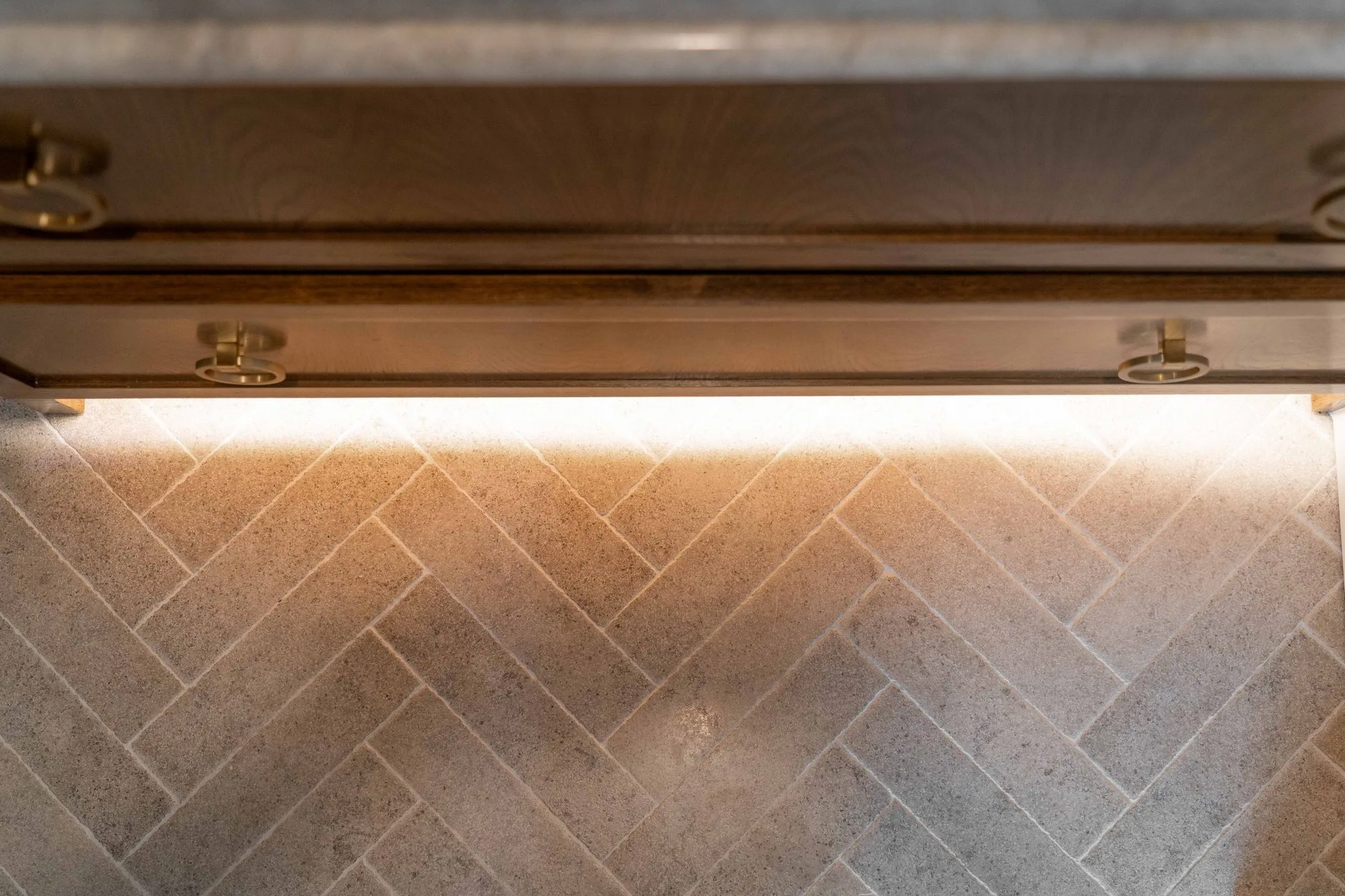
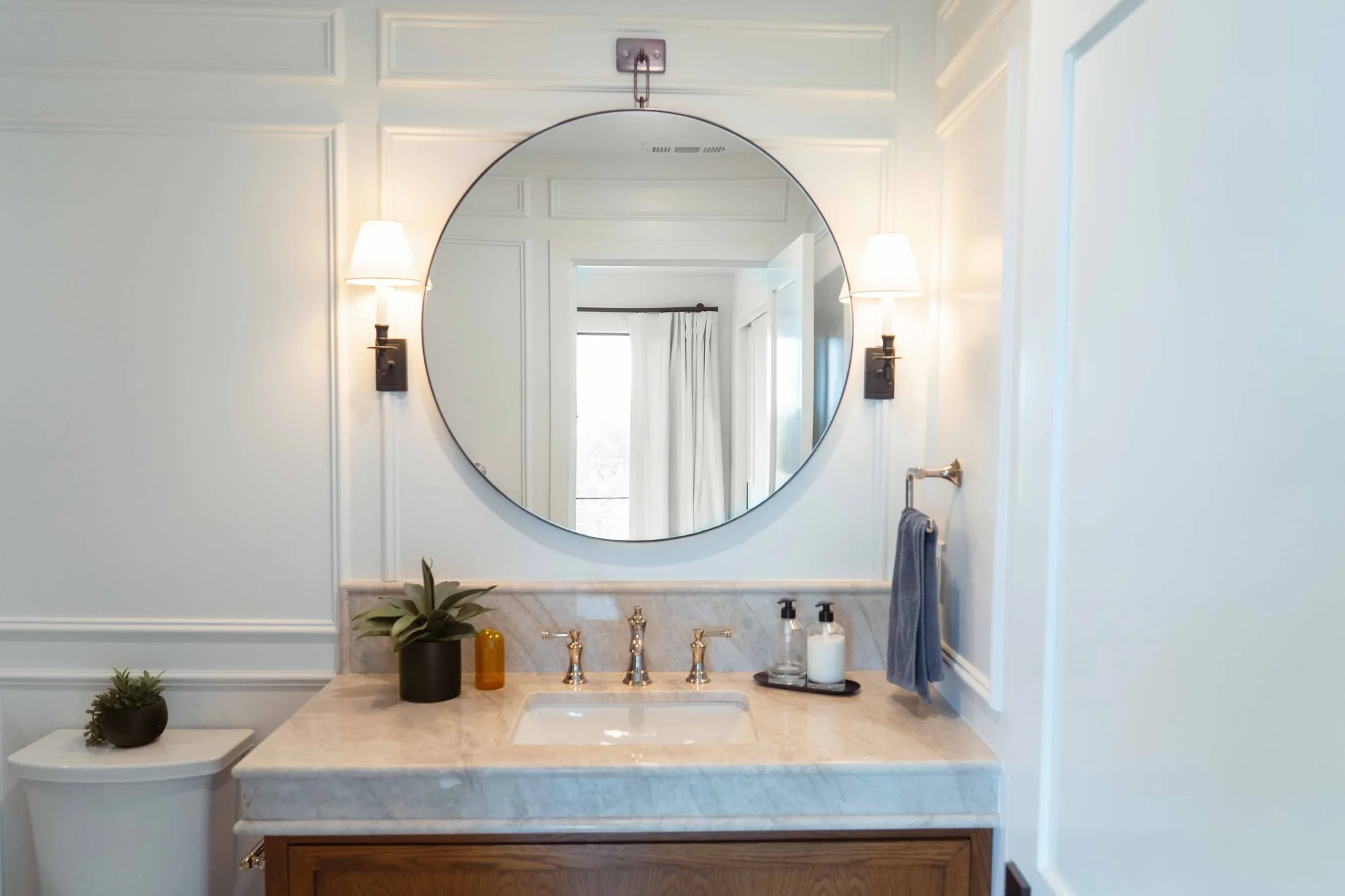
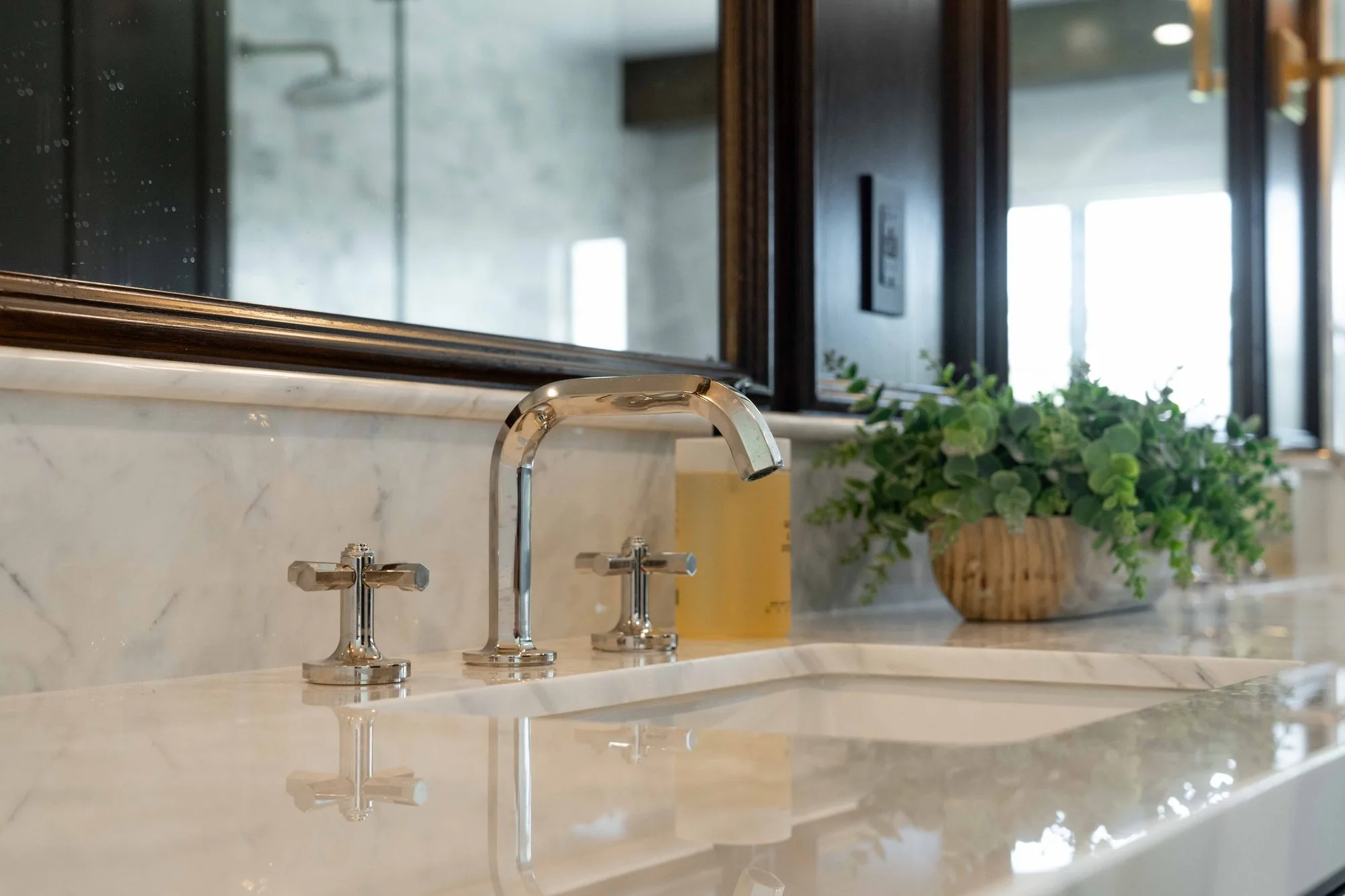
Bathroom remodeling requires specialized knowledge of waterproofing, plumbing, ventilation, and tile installation—systems where small mistakes lead to expensive problems. As a licensed general contractor serving San Diego County since 2019, we've renovated bathrooms of every scale, from compact powder rooms to expansive master suites, always prioritizing proper building science alongside design. Our bathroom projects span San Diego, Coronado, Encinitas, and Rancho Santa Fe.
San Diego's climate, building codes, and older home construction methods present specific challenges. Many homes built before 1980 lack proper shower waterproofing. Concrete slab foundations common in coastal areas complicate drain relocations. Hard water affects fixture longevity. We navigate these conditions daily and build bathrooms that perform for decades.
Bathroom Design and Planning
Bathroom design balances spatial constraints, plumbing locations, code requirements, and aesthetic goals. Unlike kitchens, bathrooms are tightly governed by minimum fixture clearances and ventilation requirements that limit layout options.
Full Bath vs. Three-Quarter Bath vs. Powder Room
- Powder Room (Half Bath):
Toilet and sink only. Minimum size typically 20-24 square feet. No ventilation requirement if no shower/tub. Focus on finishes and fixtures since space is limited. Popular locations near entries or living areas for guests.
- Three-Quarter Bath:
Toilet, sink, and shower (no tub). Typical size 35-50 square feet. Requires ventilation. Increasingly popular as primary bathroom option, especially for adults who rarely use tubs. More space-efficient than full baths.
- Full Bath:
Toilet, sink, and tub/shower combination or separate tub and shower. Typical size 40-60 square feet for standard; 75-150+ square feet for master suites. Requires mechanical ventilation. Most common configuration for family bathrooms.
- Master Suite:
Often includes double vanity, separate shower and tub, private toilet room, and sometimes bidet. 100-200+ square feet. Represents significant portion of high-end remodel budgets. Focus on spa-like finishes and luxury features.
Code Requirements and Fixture Clearances
California building code mandates minimum clearances between fixtures and walls. Toilets require 15 inches from centerline to side wall, 21-30 inches clear space in front. Showers must be minimum 30x30 inches interior dimension (36x36 is more comfortable). Doors cannot swing into required fixture clearance space. These requirements often limit layout options, especially in small bathrooms.
Mechanical ventilation is required in all bathrooms with showers or tubs. The fan must exhaust to exterior (not attic), be rated for bathroom use, and provide minimum air changes. We specify quiet (under 1.0 sones), energy-efficient fans that homeowners will actually use.
Shower and Tub Considerations
The shower/tub decision significantly impacts budget, space usage, and daily function. Each option has distinct advantages and installation requirements.
Custom Tile Showers
Custom tile showers offer unlimited design possibilities but require meticulous waterproofing. We build shower pans using either traditional mortar bed with topical membrane or modern foam pan systems with bonded waterproofing. Walls receive waterproof backer board (cement board or foam board) followed by liquid-applied or sheet membrane waterproofing that wraps corners and seams to create a continuous barrier.
The waterproofing layer is the most critical component—tile and grout are not waterproof. Water must be prevented from reaching framing and subfloor. We use Schluter, Wedi, or similar commercial-grade waterproofing systems with documented track records. This is not an area to cut costs. Proper waterproofing prevents mold, rot, and structural damage that costs tens of thousands to repair.
Shower Pan Options
- Traditional Mortar Pan:
Hand-formed mortar bed over waterproof liner. Slope to drain. Allow tile of any size. Requires skilled labor. Proven method with century-long track record. Higher labor cost. Typical for custom tile showers.
- Pre-Sloped Foam Pan:
Factory-made extruded polystyrene foam pans pre-sloped to drain. Faster installation. Integrated waterproofing. Popular systems: Schluter Kerdi, Wedi Fundo. Slightly higher material cost, lower labor. Excellent for DIY-quality control and fast timeline.
- Linear Drain Systems:
Long narrow drains (often 24-36 inches) allow single-slope pan instead of four-way slope. Creates cleaner aesthetic with larger format tiles. Slightly higher cost. Requires proper rough-in location planning. Increasingly popular in modern bathrooms.
- Curbless/Zero-Entry Showers:
No step at shower entry. Requires lowering drain and subfloor or building up entire bathroom floor. Creates accessible, modern aesthetic. More complex waterproofing. Needs proper slope to contain water. Best planned during new construction or major remodels.
Tub Options
Tub selection depends on available space, budget, and bathing preferences. Alcove tubs (three walls) are most common in standard bathrooms, typically 60 inches long, affordable, and space-efficient. Freestanding tubs create striking visual statements but require more floor space, exposed plumbing, and floor-mounted or wall-mounted faucets. They sit away from walls on finished floors. Undermount tubs install beneath tile or stone decks for clean, integrated appearance. Drop-in tubs sit within framed platform. Both require waterproof deck construction.
Soaking tubs provide deeper water than standard tubs (typically 20+ inches vs. 14-16 inches). Jetted tubs include air or water jets for massage. They require dedicated electrical circuits, accessible service panels for pump access, and more complex cleaning maintenance. They've declined in popularity due to maintenance requirements and changing preferences.
Shower Doors and Enclosures
Shower enclosure options:
- Frameless Glass: 3/8-inch or 1/2-inch tempered glass with minimal metal hardware. Clean, modern appearance. Most expensive option. Custom-measured and fabricated for each installation. Requires solid blocking in walls for hardware attachment.
- Semi-Frameless: Thinner glass with minimal metal framing. More affordable than fully frameless. Still provides clean aesthetic. Common middle-ground option.
- Framed Glass: Metal frame around all glass edges. Most affordable. Various finishes (chrome, brushed nickel, bronze). More traditional appearance. Easier to find replacement parts.
- Shower Curtains: Most affordable option. Require less installation complexity. Easy to change. Work well for tub/shower combinations. Less elegant than glass but functional and flexible.
Bathroom Tile and Waterproofing
Tile selection affects both aesthetics and performance. Bathroom tile must be rated for wet areas, slip-resistant on floors, and properly installed over waterproofed substrates.
Tile Types for Bathrooms
Porcelain Tile
Dense, low-absorption tile suitable for wet areas. Available in large formats (12x24, 24x24, even 24x48). Can mimic natural stone, wood, or concrete. Durable, stain-resistant, easy to clean. Excellent choice for bathroom floors and shower walls. Available rectified (precisely cut edges) for thin grout lines.
Ceramic Tile
More porous than porcelain. Lower cost. Suitable for walls; use porcelain or natural stone for floors. Wide range of colors and styles. Classic subway tile is ceramic. Good for budget-conscious projects.
Natural Stone (Marble, Travertine, Limestone)
Unique, natural beauty. Each piece varies. Requires sealing. Can etch from acidic cleaners. Marble is elegant but high-maintenance. Travertine has rustic, textured appearance. More expensive than porcelain. Best for clients who value natural materials and accept maintenance.
Glass Tile
Reflective, luminous quality. Popular for accent strips or feature walls. Available in mosaics or larger formats. Non-porous and easy to clean. Shows water spots readily. Requires bright, even lighting to look best. Premium pricing.
Mosaics
Small tiles (typically 2x2 inches or smaller) on mesh sheets. Good for shower floors due to smaller grout lines providing slip resistance. Also used for accent bands and feature walls. More grout means more cleaning maintenance but better traction.
Waterproofing Systems
Waterproofing is mandatory in shower areas and recommended behind all bathroom tile. We use commercial-grade systems from Schluter (Kerdi system), Wedi, Laticrete (Hydro Ban), or similar manufacturers. These systems include waterproof membranes, prefabricated corners, sealing tape for seams, and integrated drain assemblies. The entire shower becomes a waterproof envelope before tile installation.
Older homes often have inadequate waterproofing—just tar paper or nothing behind tile. This leads to mold, wood rot, and structural damage. Part of every bathroom remodel involves removing old materials and installing proper waterproofing systems that meet current codes and best practices.
Grout and Sealers
Grout selection matters. Standard cement grout is porous and stains. We primarily use epoxy grout or urethane grout for shower areas—both are non-porous, stain-resistant, and don't require sealing. They cost more and require skilled installation but eliminate grout maintenance issues. For floor tile in dry areas, high-quality cement grout with proper sealing remains acceptable.
Grout width affects appearance and cleaning. Rectified tiles allow thin (1/8 inch) grout lines for minimal visual interruption. Handmade or irregular tiles need wider grout lines (1/4 inch or more) to accommodate size variation. Wider lines show grout color more, making it a design element.
Bathroom Vanities and Storage
Bathroom vanities combine functional storage with aesthetic impact. We fabricate custom vanities sized precisely for each space, using moisture-resistant construction and finishes designed for humid environments.
Vanity Construction for Bathrooms
Bathroom vanities require special consideration for moisture exposure. We build boxes from plywood (not MDF or particleboard which swells when wet). All wood surfaces receive moisture-resistant finishes. Drawer boxes include ventilation holes to prevent moisture accumulation. Soft-close hardware is standard. Under-mount sinks provide clean countertop lines and easier cleaning than drop-in sinks.
Single vanities typically range from 24-48 inches wide. Double vanities need minimum 60 inches, with 72 inches providing more comfortable spacing. Floating (wall-mounted) vanities create modern aesthetic and easier floor cleaning but require solid blocking in walls during framing. Traditional floor-mounted vanities offer more storage and easier installation.
Vanity Countertops and Sinks
Popular bathroom countertop materials:
- Quartz: Most popular choice. Non-porous, stain-resistant, low maintenance. Consistent appearance. Fabricated with integrated or under-mount sinks. Ideal for bathrooms due to moisture resistance.
- Marble: Luxurious appearance. Natural variation. Requires sealing and etches from common bathroom products. High maintenance but stunning. Popular for master suites where aesthetics outweigh practicality.
- Granite: Durable natural stone. Requires periodic sealing. More forgiving than marble. Wide range of colors and patterns. Good middle ground between quartz and marble.
- Porcelain Slab: Large-format porcelain mimicking marble or other stones. Non-porous, highly durable. Thinner than stone (6-12mm). Can be book-matched for dramatic effect. Premium modern option.
Sink options include under-mount (mounted beneath countertop for clean lines), vessel (sits on top of counter, dramatic but less practical), integrated (sink and counter formed from one piece), and console (sink and counter supported by legs, typically vintage or traditional styles).
Plumbing Fixtures and Fittings
Fixture quality directly impacts daily experience and longevity. We specify fixtures from manufacturers known for quality construction, reliable performance, and available replacement parts.
Faucets and Shower Valves
Quality faucets feature solid brass bodies (not plastic), ceramic disc valves (not compression or cartridge which wear out), and durable finishes. Popular finishes include chrome (most durable and affordable), brushed nickel (warm tone, hides water spots), matte black (modern, shows water spots), and oil-rubbed bronze (traditional look, living finish that changes over time).
Shower valves should be pressure-balancing or thermostatic to prevent temperature shock when other fixtures are used. We install valves from Kohler, Moen, Delta, or similar manufacturers with lifetime warranties and readily available parts. Wall-mounted shower arms provide flexibility for rain heads or handheld units. Rough-in dimensions must be precise since tile surrounds valve—mistakes are expensive to correct.
Toilets
Modern toilets use 1.28 gallons per flush (older models used 3.5-7 gallons). We specify dual-flush models that use even less water for liquid waste. Elongated bowls provide more comfort than round. Comfort-height toilets (17-19 inches vs. standard 15 inches) are easier for adults and elderly to use.
One-piece toilets have seamless design that's easier to clean but cost more than two-piece models. Wall-mounted toilets save floor space and simplify cleaning but require in-wall carrier systems installed during framing. Smart toilets with integrated bidets, heated seats, and automatic lids are increasingly popular for master bathrooms despite premium pricing.
Bathroom Ventilation and Moisture Management
Proper ventilation is mandatory for bathrooms with showers or tubs. California code requires exhaust fans that remove moisture and odors, protecting against mold growth and material degradation.
Exhaust Fan Selection
Exhaust fans are rated by:
- CFM (Cubic Feet per Minute): Airflow capacity. Minimum required is 50 CFM for bathrooms under 50 square feet; larger bathrooms need higher CFM. We typically specify 80-110 CFM for standard bathrooms.
- Sones (Sound Level): Lower is quieter. Fans under 1.0 sones are nearly silent. Worth the premium for bathrooms adjacent to bedrooms. Many budget fans are 3-4 sones (noticeably loud), discouraging use.
- Energy Efficiency: ENERGY STAR rated fans use 70% less energy. Since fans should run during and after shower use (15-30 minutes total), efficiency matters.
Fans must duct to exterior, not attic. Duct runs should be as short and straight as possible using rigid or semi-rigid ducting (not flexible duct which restricts airflow). We install backdraft dampers to prevent cold air infiltration when fan is off.
Bathroom Lighting
Bathroom lighting serves both functional and aesthetic purposes. Task lighting at mirrors is critical for grooming. Ambient lighting provides general illumination. Accent lighting adds atmosphere.
Vanity Lighting
Best practice places lights on both sides of mirror at face height (60-66 inches from floor). This eliminates shadows under chin and provides even illumination. Single light above mirror creates shadows and is less flattering. Vertical sconces or linear LED strips work well. Light temperature matters—3000K provides warm, flattering light; 4000K is cooler and more clinical. Dimmable controls allow adjustment for different times of day.
Shower and General Lighting
Shower lights must be wet-location rated and properly sealed. Recessed LED trim kits designed for showers resist moisture and provide adequate illumination. General bathroom lighting can use recessed cans, flush-mount fixtures, or decorative chandeliers (in larger bathrooms). All bathroom lighting should be on GFCI-protected circuits for safety.
Bathroom Flooring
Bathroom floors must be water-resistant, slip-resistant, and durable. Popular options include porcelain or ceramic tile (most common, wide range of styles, waterproof), luxury vinyl plank (waterproof, softer underfoot, affordable, easier DIY installation), natural stone (elegant, requires sealing, can be slippery when wet), and heated floors (electric radiant mats under tile provide luxury comfort, especially on cold mornings). For more detailed flooring information, see our flooring services page.
Our Bathroom Remodeling Process
Consultation and Space Assessment
We visit your home to assess existing bathroom conditions, discuss your vision, identify any structural or plumbing constraints, and determine project scope. We measure the space, photograph current conditions, and discuss budget parameters. Consultation typically takes 45-60 minutes.
Design Development
We create layout plans showing fixture locations, tile patterns, lighting placement, and elevations. For complex projects, we provide 3D renderings. This phase includes selecting tile, vanity style, fixtures, and finishes. We refine the design based on your feedback.
Detailed Proposal
Once design is finalized, we provide a comprehensive proposal detailing all work, materials, timeline, and costs. This includes specifics on tile quantities, fixture models, vanity construction, and all labor. No surprises.
Demolition and Rough-In
Existing fixtures, tile, flooring, and damaged materials are removed. We assess framing and subfloor conditions, repair any water damage discovered, relocate or install new plumbing and electrical, frame any new walls or niches, and install backer board and waterproofing systems.
Tile Installation and Finish Work
Shower pan is built and waterproofed. All tile is installed on floors, shower walls, and other surfaces. Grout is applied and sealed. Vanity is installed and countertop is templated and fabricated. Fixtures, lighting, and accessories are installed. Paint or specialty finishes are applied.
Final Inspection
We complete final cleanup, test all fixtures and drains, verify proper ventilation operation, and walk through the completed bathroom with you. We provide care instructions for materials and warranty documentation.
Frequently Asked Questions
How long does a bathroom remodel take?
Standard bathroom remodels typically take 3-4 weeks from demolition to completion. Powder rooms (half baths) can be completed in 2-3 weeks. Master suite renovations with extensive tile work, custom vanities, and luxury features typically take 5-7 weeks. Timeline depends on scope, complexity, material lead times, and whether structural work is required. Tile setting alone typically requires 3-5 days plus 2-3 days for grouting and sealing.
Can I use my bathroom during the remodel?
No. Once demolition starts, the bathroom is unusable until completion. Toilet, sink, and shower are removed early in the process. If you have only one bathroom, consider renting a portable toilet or arranging alternative accommodations for 3-4 weeks. Many clients use gym facilities for showering during renovations. Multi-bathroom homes can phase renovations to maintain one functional bathroom.
What's the best tile size for a small bathroom?
Larger tiles (12x24 or larger) actually make small bathrooms feel bigger by reducing visual clutter from grout lines. The old advice to use small tile in small spaces is outdated. For very small showers under 36x36 inches, medium tile (8x10 or 12x12) provides good balance. Floor tile should be slip-resistant—either textured large-format or smaller mosaics with more grout lines for traction.
Do I need to replace my toilet or can I keep the existing one?
We typically recommend replacing toilets during bathroom remodels. Toilets older than 15-20 years use more water (3.5-7 gallons per flush vs. modern 1.28 gallons). Removing and reinstalling toilets risks damaging the wax seal or cracking the porcelain. New toilet installation costs $300-600 including fixture. It's false economy to keep old toilets when the bathroom is already torn apart.
Should I choose a tub/shower combo or separate shower?
Depends on household needs and space. Families with young children benefit from tubs. Adults who rarely bathe prefer showers-only, which are more spacious and accessible. Homes with only one bathroom should include at least one tub for resale value. Master bathrooms increasingly feature separate shower and tub. Three-quarter baths (shower only) are perfectly acceptable as secondary bathrooms.
How much does a bathroom remodel cost in San Diego?
Costs vary widely by size and scope. Full bathroom remodel: $20,000-40,000. Primary bathroom with custom vanity and high-end finishes: $40,000-90,000+. Major factors include tile selection (budget tile $3-8/sf vs. premium $15-30/sf), shower complexity (prefab vs. custom tile), vanity (stock vs. custom), and fixture quality. We provide detailed, transparent proposals showing costs by category.
What can I do to prevent mold in my bathroom?
Proper waterproofing during construction prevents mold behind tile. Ongoing prevention requires adequate ventilation (run exhaust fan during and 20-30 minutes after showering), squeegee shower walls after use, fix leaks promptly, don't leave wet towels on floor, and maintain grout in good condition. Non-porous grout (epoxy or urethane) resists mold better than standard cement grout. Regular cleaning with mold-inhibiting products helps.
See It Before You Build It
Our design studio lets you evaluate tile at scale, combine slab stone with vanity finishes, and see your bathroom rendered in 3D — all before work begins.
Planning Your Bathroom Remodel?
Before selecting tile or fixtures, walk through our Bathroom Remodel Planning Guide — a step-by-step framework covering layout fundamentals, San Diego permit requirements, realistic budgets, and the sequencing that keeps projects on schedule.
- Bathroom Remodeling Costs — pricing by bathroom type and finish
- San Diego Permit Guide — permits required for bathroom work
- Remodeling FAQ — budget, waterproofing, and timeline questions
- Book a Design Consultation — an itemized proposal after your design consultation
Related Services
Areas We Serve
Ready to Transform Your Bathroom?
Schedule a consultation to discuss your bathroom remodel. We'll assess your space, discuss design options, explain the construction process, and provide a detailed proposal.