
Interior Painting Tips for San Diego Homes
Professional techniques, prep work, and product guidance from a San Diego painting contractor
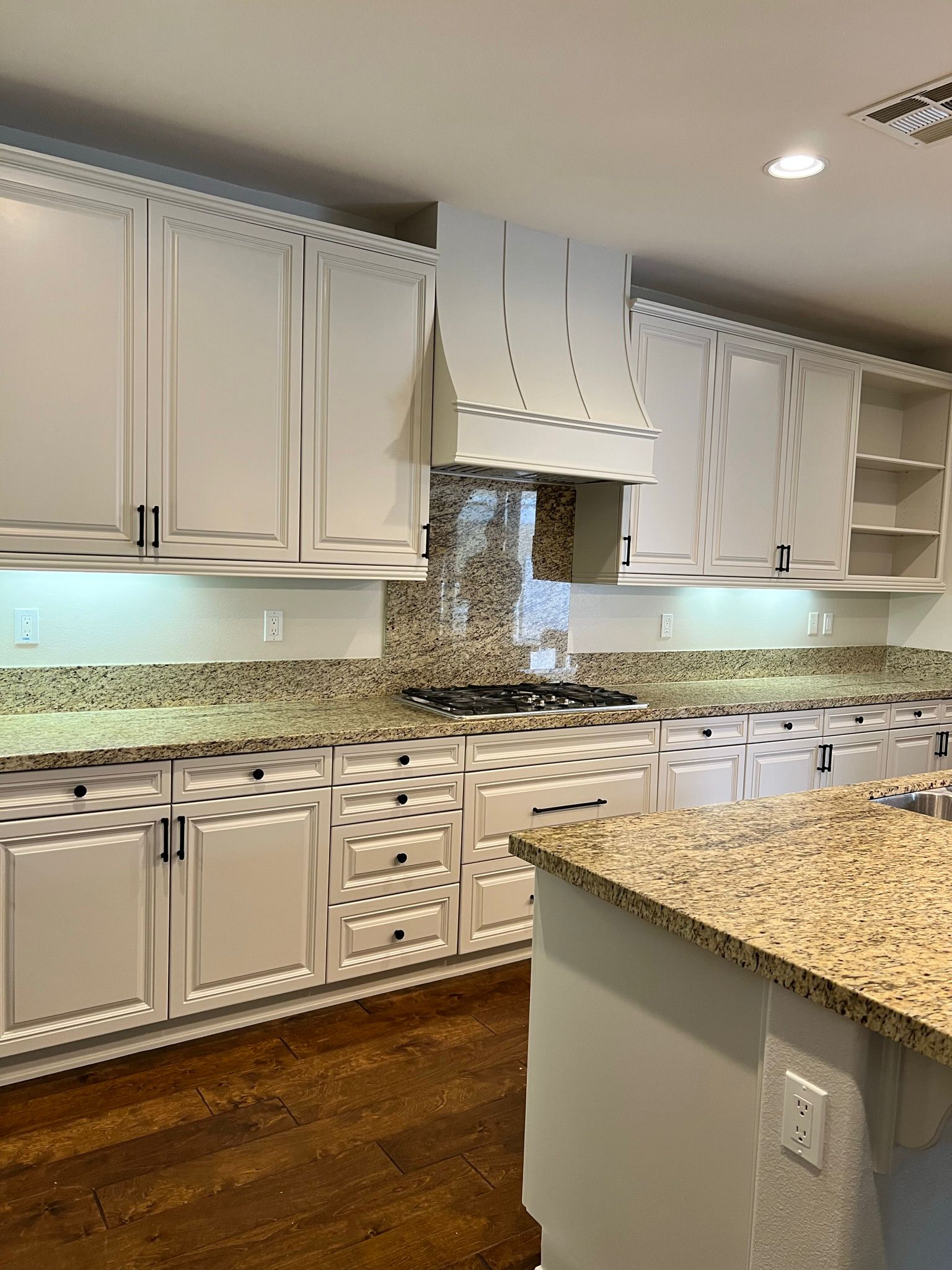
Interior painting is one of the highest return-on-investment improvements you can make to a San Diego home. A fresh coat of paint can transform a space in days for a fraction of what any structural remodel costs. But here's what separates a paint job that looks great for a decade from one that starts showing problems within a year: preparation. Eighty percent of the result is determined before the first drop of paint hits the wall.
These tips come from years of experience as a professional interior painting contractor in San Diego. Whether you're planning a full remodel or just refreshing a few rooms, understanding what goes into a quality paint job helps you make better decisions and set realistic expectations.
1. Start With Proper Surface Prep
The most common reason interior paint fails — peeling, cracking, bubbling, or patching that shows through the finish — is inadequate surface preparation. Professionals know that the wall prep takes as long as, or longer than, the actual painting.
Before any primer or paint goes on, every surface needs to be inspected. Fill all nail holes and hairline cracks with lightweight spackling compound. After the spackling dries, sand smooth with 120-grit sandpaper for walls and 220-grit for trim and doors. Sanding after patching is non-negotiable — unsanded patches show through paint, especially in low-angle light.
Clean all walls with TSP (trisodium phosphate) or a degreaser before painting, particularly in kitchens and bathrooms where grease, moisture, and soap residue build up on surfaces. Painting over contaminated walls causes adhesion failure regardless of how good the paint is.
2. Choose the Right Sheen for Each Room
Paint sheen affects both appearance and practical durability. Using the wrong sheen in the wrong room is one of the most common mistakes homeowners make when selecting paint.
- Flat/Matte: Best for bedrooms, ceilings, and low-traffic walls. Hides imperfections well but is not cleanable — marks require touch-up or repainting.
- Eggshell: The workhorse finish for living rooms and dining rooms. Slight sheen allows light wiping without the reflectivity of satin. Good balance of durability and aesthetics.
- Satin: Ideal for hallways, children's rooms, laundry rooms, and any high-traffic area where the walls will take regular cleaning.
- Semi-Gloss: Standard for trim, doors, window casings, and cabinets. Stands up to moisture and cleaning, and creates clear visual contrast with flat walls.
- High-Gloss: Used for furniture-quality finishes on cabinetry, built-ins, and decorative millwork. Requires very precise surface prep — high gloss amplifies imperfections.
San Diego-specific note: homes in coastal areas — La Jolla, Coronado, Point Loma, Ocean Beach — experience higher ambient humidity than inland neighborhoods. In bathrooms and kitchens in these locations, moisture-resistant formulas matter more than in drier inland areas. We recommend satin or semi-gloss for bathroom walls in coastal homes, even if you'd use eggshell elsewhere.
3. Use the Right Primer
Skipping primer is the second most common reason paint jobs fail. Primer is not an optional upsell — it's the foundation that determines how well paint adheres and how consistently the topcoat looks.
When you must prime:
- New drywall: Use PVA (polyvinyl acetate) primer to seal the paper and prevent the paint from soaking unevenly into the drywall face.
- Dark-to-light color changes: Without primer, dark colors bleed through light topcoats for multiple coats. A tinted primer cuts the number of finish coats needed in half.
- Water stains or nicotine: Standard primer will not block these. Use shellac-based primer (Zinsser BIN or similar) to lock in stains before top-coating. Water stains will bleed through latex primers indefinitely.
- Patched areas: Skimmed or patched drywall absorbs paint differently than intact surfaces, creating "flashing" — areas that look dull or different in sheen once painted. Spot-prime all patches before the finish coat.
4. Cutting In vs. Rolling — The Right Order
The most visible sign of an amateur paint job is lap marks — visible lines where cut-in edges meet rolled sections because one dried before the other was applied. The fix is simple but requires discipline: cut in, then roll immediately before the cut edges dry.
Working wet-on-wet — cutting in a section and rolling it within a few minutes — blends the brush and roller textures seamlessly. Cutting in all four edges of a room first, then coming back to roll hours later, leaves dry lap marks that are visible in raking light after the paint cures.
For clean lines at the ceiling and trim, load the brush conservatively and use a steady, controlled stroke with the bristles slightly fanned. Don't rely on painter's tape alone for straight lines — a steady hand produces cleaner results than tape on textured surfaces.
5. Two Coats Are Not Optional
One coat of paint almost always looks acceptable when wet. It rarely provides adequate coverage when dry. The rule of thumb: always plan for two finish coats over a properly primed surface.
Between coats, allow full dry time — not just touch dry. Touch dry means the surface won't transfer to your finger; full dry means the paint film has fully hardened. Applying a second coat over a touch-dry but not fully dry first coat can cause wrinkling, poor adhesion between coats, and sheen inconsistency. In San Diego's climate, most latex paints are ready for a second coat in 2–4 hours, but read the manufacturer's label for the specific product.
To evaluate whether coverage is sufficient between coats: look at the wall at a sharp angle under a single light source. Any thin spots will appear as lighter areas. An additional coat is always cheaper than repainting a finished room.
6. San Diego-Specific Considerations
San Diego's climate creates a few specific painting conditions that differ from most US markets.
Coastal humidity: Homes within a few miles of the coast — especially in June and July during marine layer season — experience elevated morning humidity. Allow longer dry times between coats in coastal areas. Afternoon painting, after the marine layer has burned off, produces better conditions than morning application.
VOC regulations: California has strict volatile organic compound limits for paint products sold and used in the state. Most major paint brands sell California-compliant low-VOC or zero-VOC formulas. These perform identically to older formulations for interior work and are required for any professional application in California.
Temperature: Don't paint when surfaces are below 50°F or above 90°F. This is rarely a concern for interior work in San Diego — but if a room has been exposed to extreme heat or cold through an open window, allow it to normalize before painting.
7. When to Call a Professional Interior Painter
Some interior painting projects are straightforward enough for a capable homeowner with time and patience. Others benefit significantly from professional execution:
- Large square footage, vaulted ceilings, or two-story open foyers where reaching surfaces safely requires scaffolding or tall ladders.
- Cabinet refinishing — requires spray equipment, a controlled environment, and extensive surface preparation. Brush-painted cabinets rarely achieve a professional finish.
- Matching existing paint on textured walls, where inconsistent texture application can make touch-ups visible.
- New construction or post-remodel painting where extensive drywall finishing and priming is required before any topcoat.
- Specialty finishes — limewash, Venetian plaster, or decorative techniques that require professional training and experience.
As part of our full-service remodeling operation, SD Remodel Experts handles interior painting alongside kitchen remodeling, bathroom remodeling, and custom cabinetry work. Our painting services are available both as part of full remodel scopes and as standalone projects.
Frequently Asked Questions
How long does interior painting take for a typical San Diego home?
A standard 3-bedroom home typically takes 2–4 days depending on prep condition, number of rooms, and whether trim and ceilings are included. Homes with heavy patching or dark existing colors may take longer.
How much does interior painting cost in San Diego?
Interior painting in San Diego typically ranges from $2.50 to $5.00 per square foot of wall surface depending on prep condition, number of coats, and finish complexity. Cabinet refinishing is priced separately.
Do I need to move furniture before painters arrive?
You should remove small items and clear access around the walls. Professional painters will move large furniture to the center of the room and cover everything with drop cloths.
What paint brands do professional contractors use?
Most professional contractors use Sherwin-Williams or Benjamin Moore for their consistency, coverage, and color accuracy. We use Sherwin-Williams ProClassic for trim and Emerald or Duration for walls.
Can you match my existing paint color?
Yes. We can match existing colors using a paint chip sample or spectrophotometer color scan at the paint store. Exact matches depend on the original paint's age and sheen.
Ready for a Professional Painting Estimate?
Looking for a professional interior painting contractor in San Diego? SD Remodel Experts handles interior painting as part of full remodels and as a standalone service.